How Do Coworking Spaces Work?
How Do Coworking Spaces Work? A First-Timer’s Guide
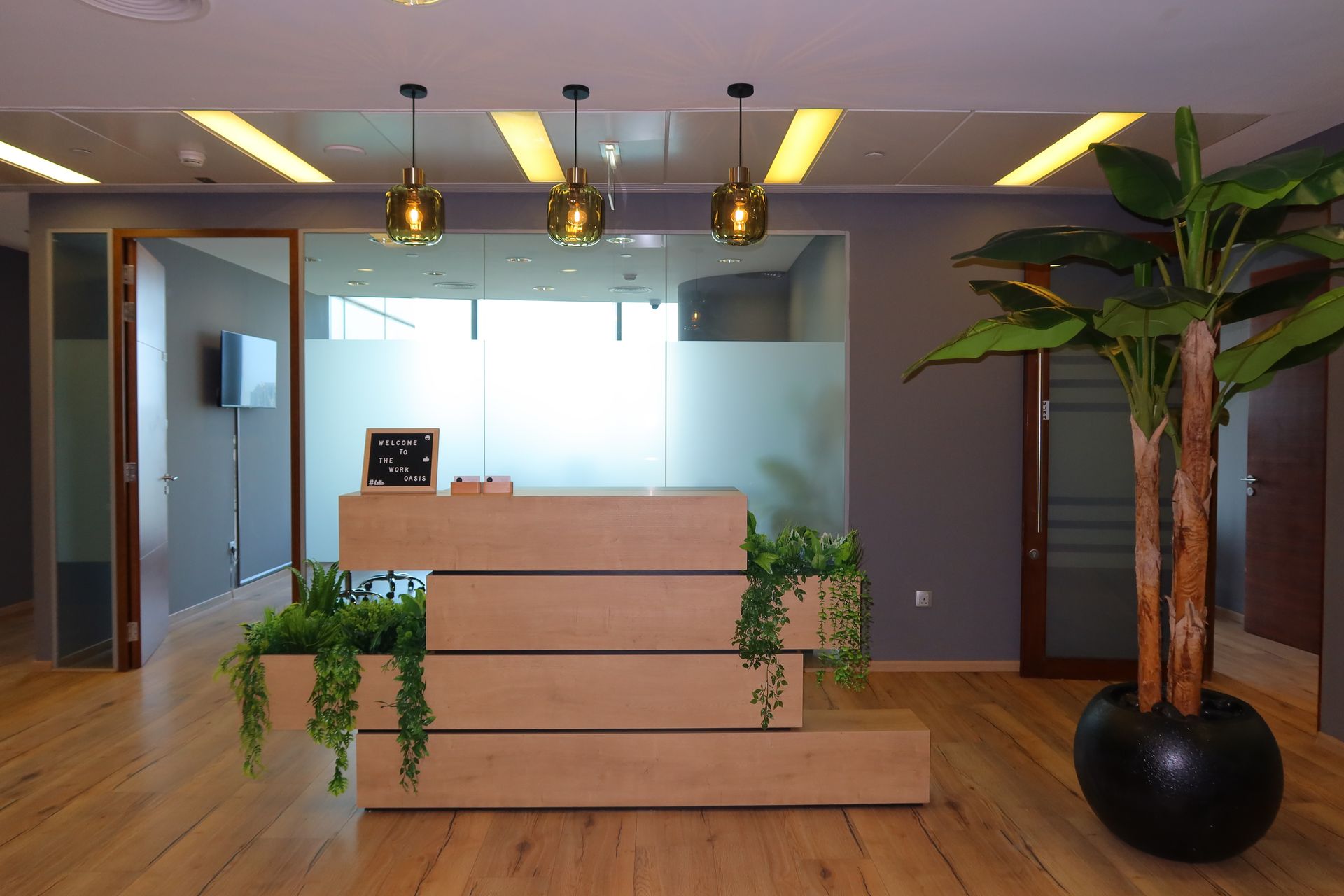
If you’re new to flexible working, you might be wondering what is a coworking space and what actually happens once you join. Unlike a traditional office lease, coworking gives you access to a professional working environment through a flexible membership, day pass, dedicated desk or private office.
So, how does coworking space work in practice? You choose the workspace and level of access that suits you, complete the provider’s onboarding process and then use the facilities included within your plan. Depending on the workspace, that could include desks, Wi-Fi, meeting rooms, breakout areas, reception services and other shared amenities.
Here’s what you can typically expect from joining a coworking space, from choosing your membership to settling into everyday use.
The Quick Answer
Coworking is essentially a shared professional environment used by multiple individuals and businesses. Instead of leasing and managing an entire office yourself, you pay for the workspace and services you actually need.
When people ask what is coworking office space, it can refer to anything from an open-plan hot desk to a lockable private office within a larger shared workspace.
Every provider operates slightly differently, so access hours, booking allowances, guest policies and included facilities should always be checked before joining.
Who Uses Coworking Spaces?
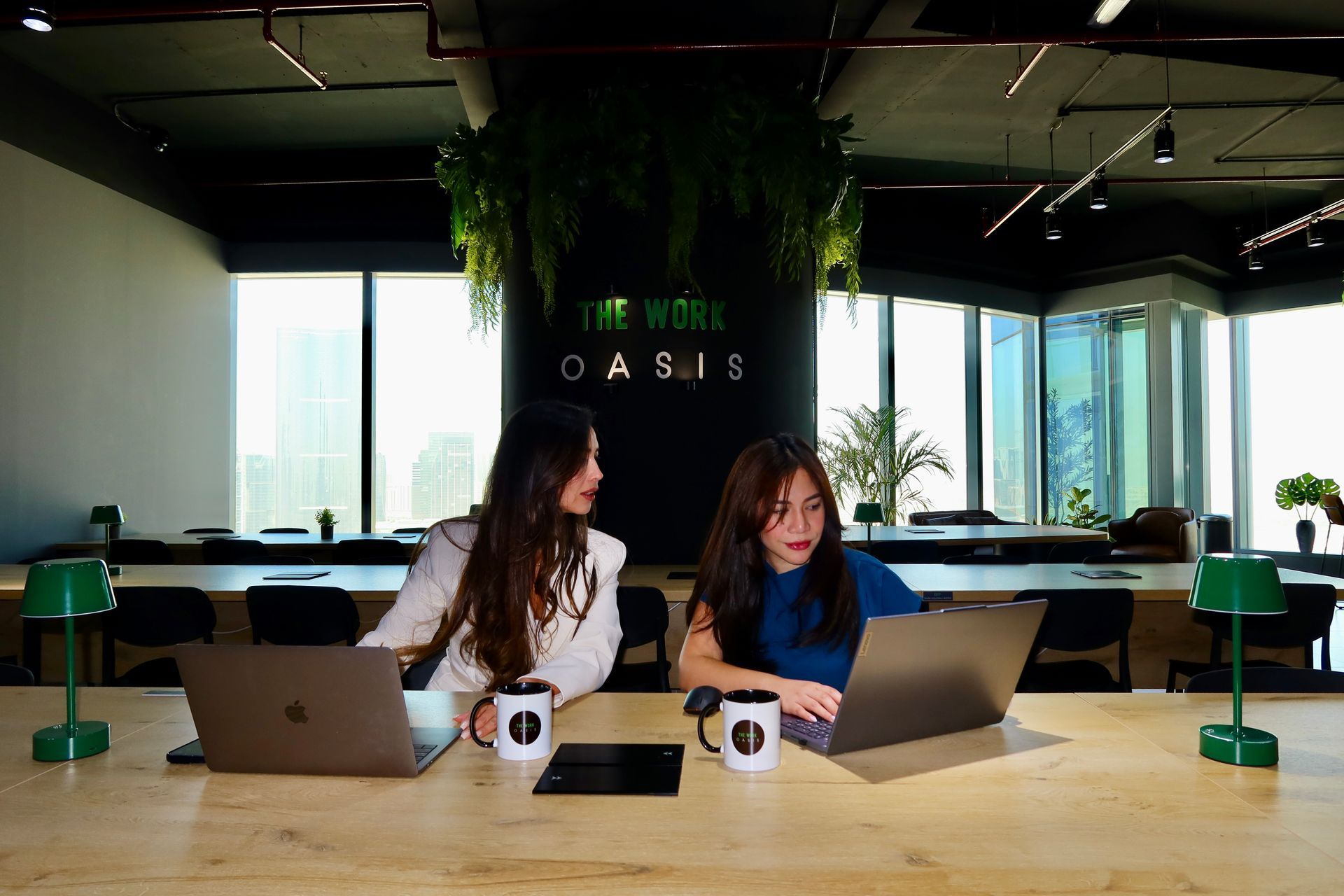
If you’re wondering who uses coworking spaces, the answer is increasingly varied. Freelancers and remote workers might use them to escape working from home, while startups can establish a professional base without immediately committing to a traditional office.
Small businesses, consultants, hybrid teams and larger organisations can also use coworking to give employees greater flexibility.
This variety is part of why coworking space environments have become useful for so many different ways of working.
Step 1: Choose a Workspace Type
Before joining, consider how often you’ll actually use the space.
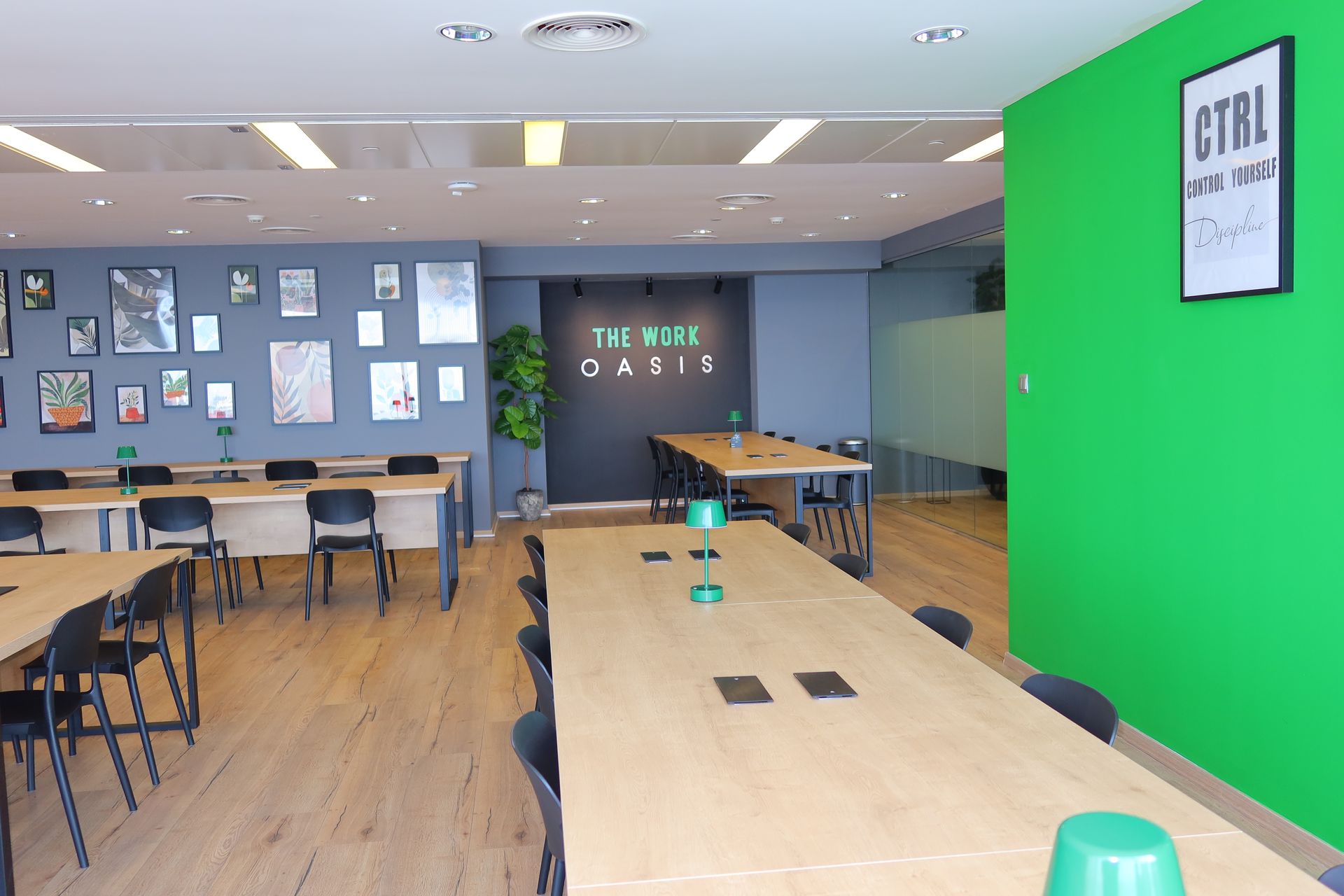
Most coworking providers offer some combination of hot desks, dedicated desks, day passes and private offices. A hot desk works well if you value maximum flexibility, while a dedicated desk gives you a permanent workstation. Private offices provide greater privacy for individuals and teams.
At THE WORK OASIS, you can explore our coworking memberships to compare different ways of working.
Step 2: Compare Membership Terms
Look beyond the monthly price.
Check the minimum commitment, notice period, deposit requirements and exactly what is included. You should also ask about meeting-room credits, printing allowances, guest access and any fair-use limits.
Understanding these details beforehand means fewer surprises once you start using the space regularly.
Step 3: Onboarding and Access
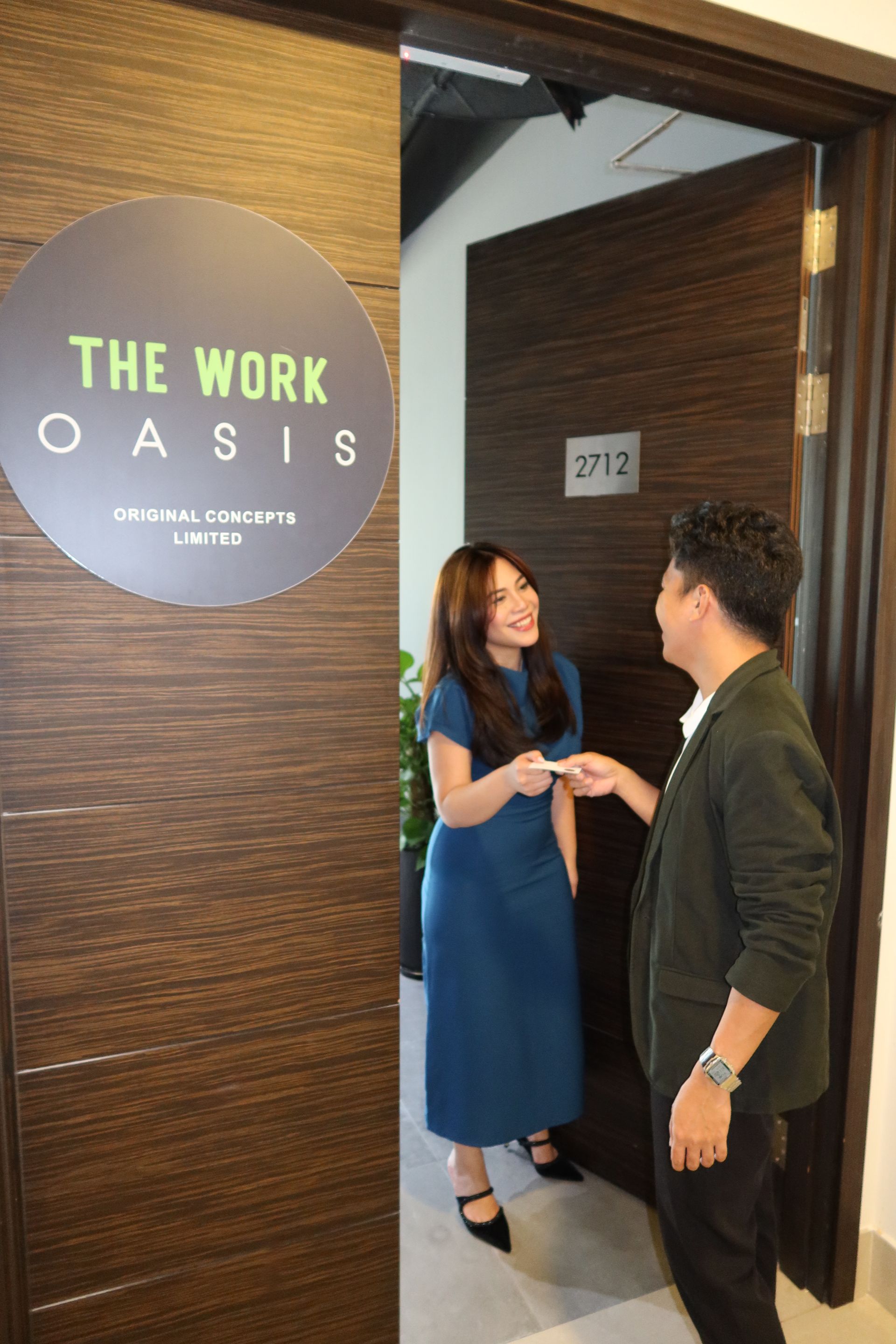
Once you’ve selected your membership, the provider will usually complete an onboarding process and explain how you access the workspace.
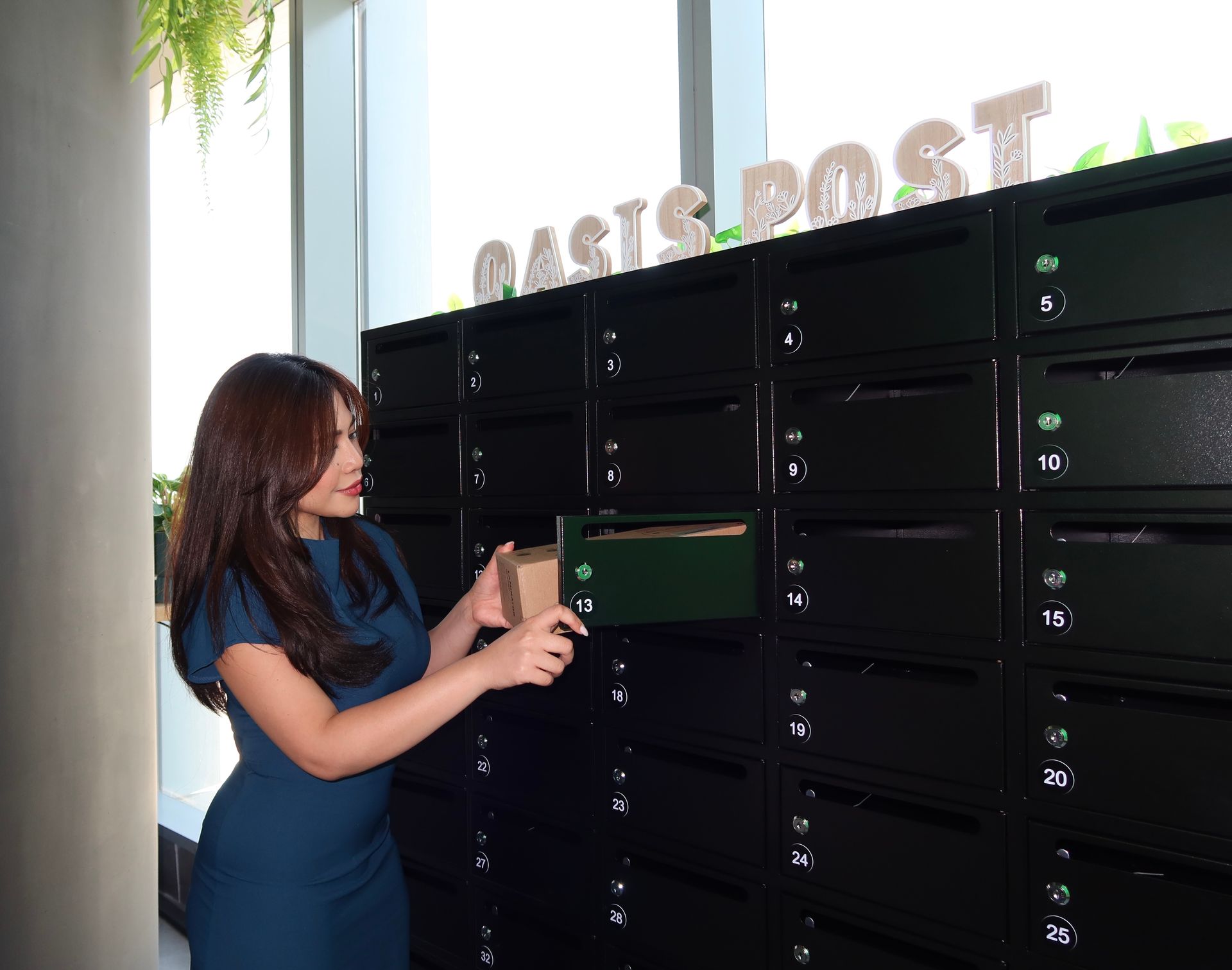
This might involve an access card, key, building pass or member app. At THE WORK OASIS, our member app allows members to manage payments, book amenities and connect with other members.
Your first day is also a good opportunity to familiarise yourself with meeting rooms, breakout spaces, coffee facilities and any house rules.
Hot Desks Versus Dedicated Desks
Hot-desking means choosing an available workspace each time you visit. It’s useful if you only work from the space occasionally and don’t need a permanent setup.
A dedicated desk, meanwhile, is allocated specifically to you. It provides more consistency and can be useful if you work from the same location regularly or prefer leaving your setup in one place.
Private Offices
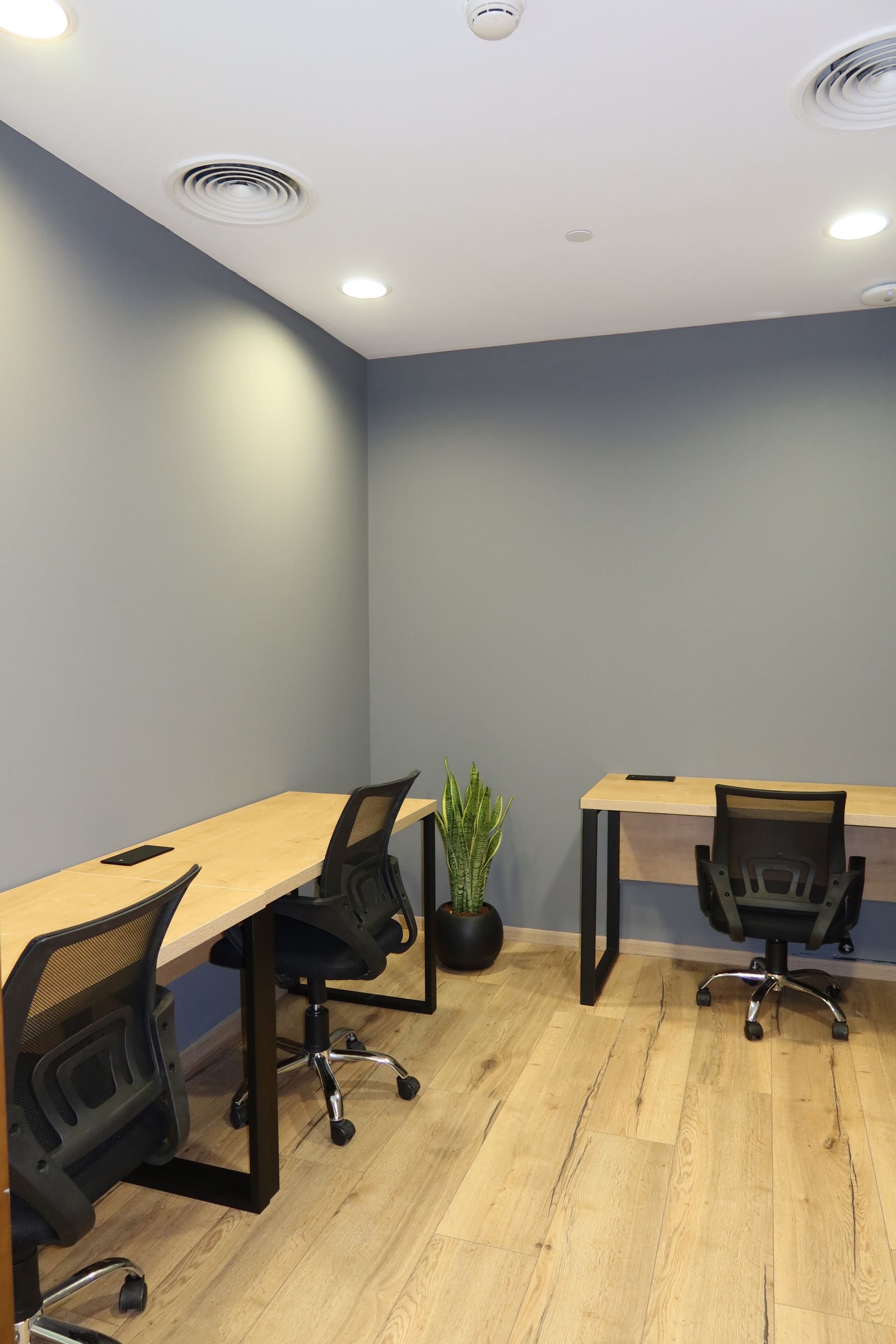
A private office combines the independence of your own lockable room with the benefits of a wider coworking environment.
At THE WORK OASIS, private offices provide secure workspace alongside access to shared amenities, making them particularly useful for growing teams or businesses that need greater privacy.
Day Passes and Flexible Access
You don’t always need a monthly membership.
A day pass lets you use a coworking environment for a single working day, making it useful for occasional visits, remote workers or anyone who wants to experience a space before committing.
If you’re planning your first visit, read our guide on how to maximise a day pass.
Booking Meeting Rooms
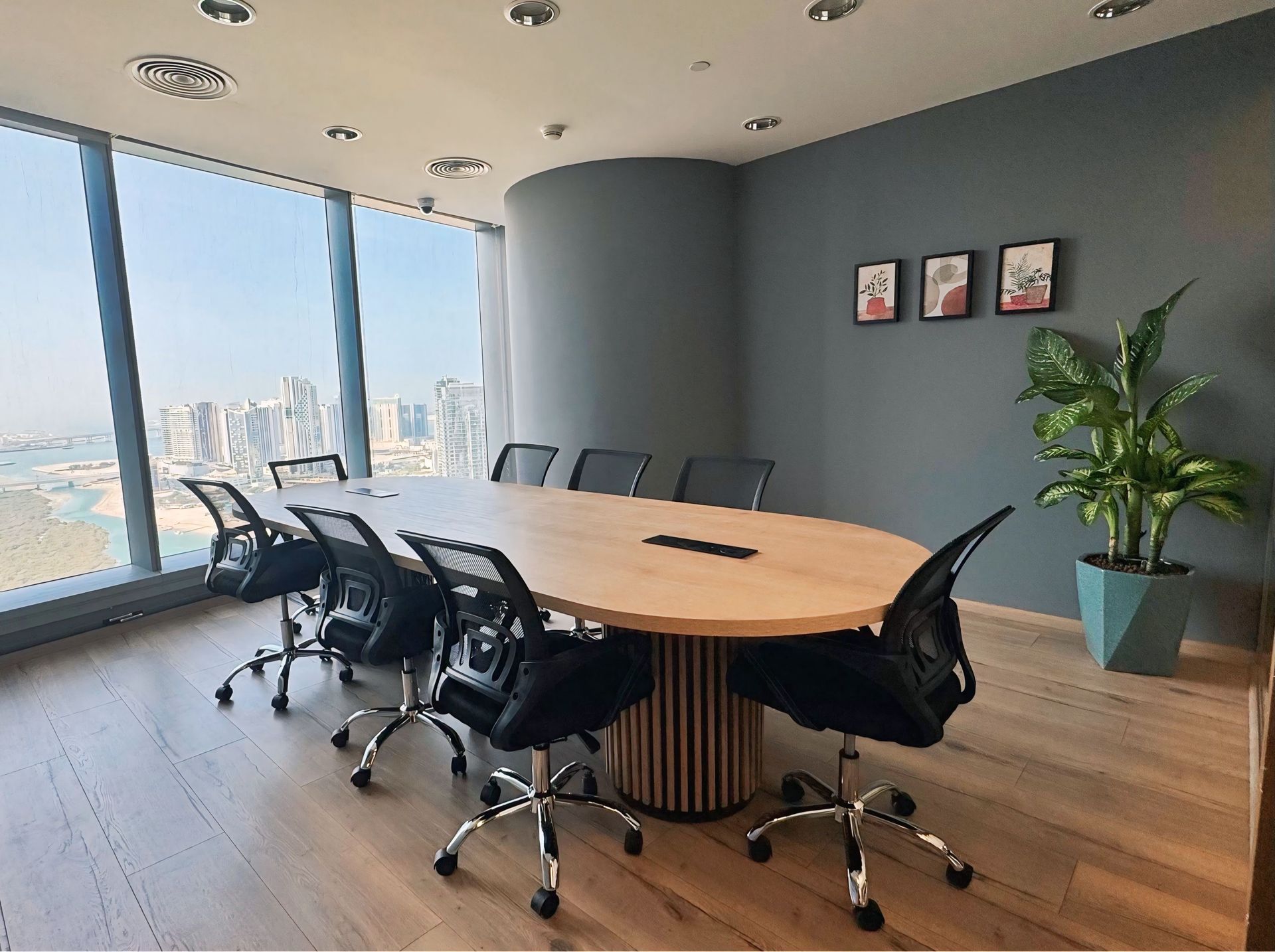
Meeting rooms are usually separate from your everyday desk space and may need to be booked in advance.
Depending on your membership, you might receive included meeting-room credits or pay by the hour. Always check availability, cancellation policies and whether features such as screens and video conferencing are included.
THE WORK OASIS also offers fully equipped meeting rooms for presentations, calls and client meetings.
Amenities and Shared Facilities
One advantage of coworking is having everyday office essentials taken care of.
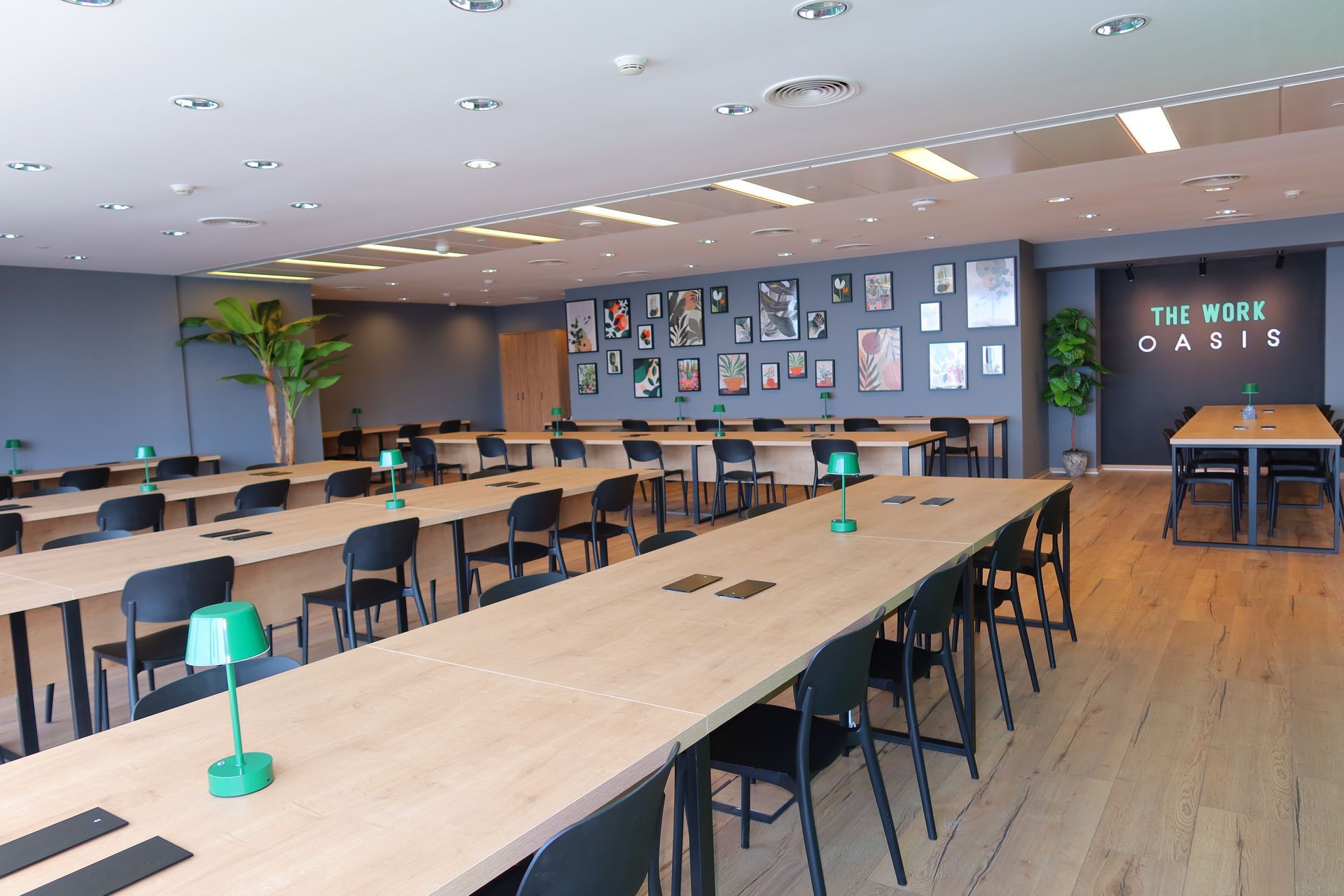
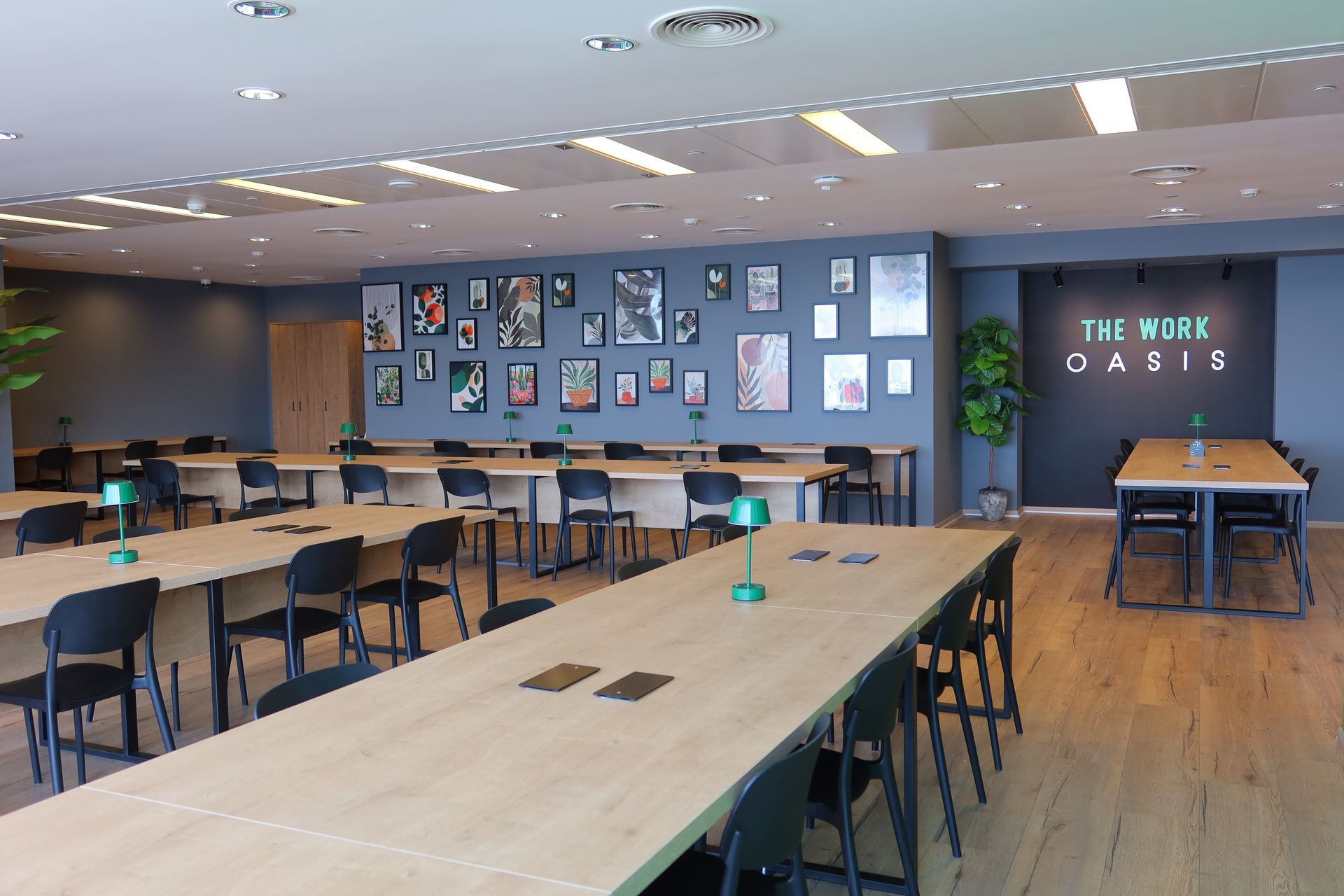
At THE WORK OASIS, members can benefit from enterprise-grade Wi-Fi, breakout areas and coffee facilities alongside their workspace. Depending on your membership and location, additional services may also be available.
This is an important part of understanding what is coworking space in practical terms: you’re accessing an entire working environment rather than simply renting a desk.
Guests, Calls and Etiquette
Shared spaces work best when everyone is considerate.
Calls should generally be taken at a reasonable volume or in designated areas, while longer or confidential conversations may be better suited to a meeting room. Providers can also have different rules around bringing guests, so check whether visitors need to be registered and where they are permitted to work or wait.
Business Addresses and Licensing
Using a coworking space does not automatically mean the address is suitable for company registration or licensing.
This is particularly important for businesses operating within ADGM, where workspace requirements can depend on the entity type and business activity. A workspace provider can supply eligible workspace and address services, but does not grant licences or determine regulatory approval.
Always confirm current requirements directly with ADGM or an appropriately qualified adviser.
Changing or Ending a Plan
Your workspace should be able to change as your working life does.
You might start with occasional day passes, move to a dedicated desk and eventually need a private office as your team expands. Before joining, ask how easy it is to upgrade, downgrade or cancel your plan and whether notice periods or additional fees apply.
That flexibility is one of the main attractions of coworking in the first place. If you’re considering whether a more permanent workspace is right for your business, you can also discover why you should rent office space with us and explore the different ways THE WORK OASIS can support your next stage.
FAQs
Do I need a membership to use a coworking space?
Not always. Some providers offer day passes alongside monthly memberships, allowing you to access the workspace without making a longer commitment.
Can I take calls in a coworking space?
Yes, although individual providers may have etiquette rules or designated areas for calls. Meeting rooms can be a better choice for lengthy, confidential or client-facing conversations.
Are meeting rooms included?
It depends on your membership. Some plans include meeting-room credits, while others charge separately, so always check before joining.
Can I bring guests?
Many coworking spaces allow visitors, but guest policies vary. Check whether guests need to register and whether there are limits or additional charges.
Can I use a coworking address for business licensing?
Potentially, depending on the jurisdiction, workspace, entity and business activity. Workspace provision does not equal licensing approval, so always verify the requirements with the relevant authority.
If flexible working sounds right for you, explore THE WORK OASIS to discover our workspaces, or browse our coworking guides for more practical advice.